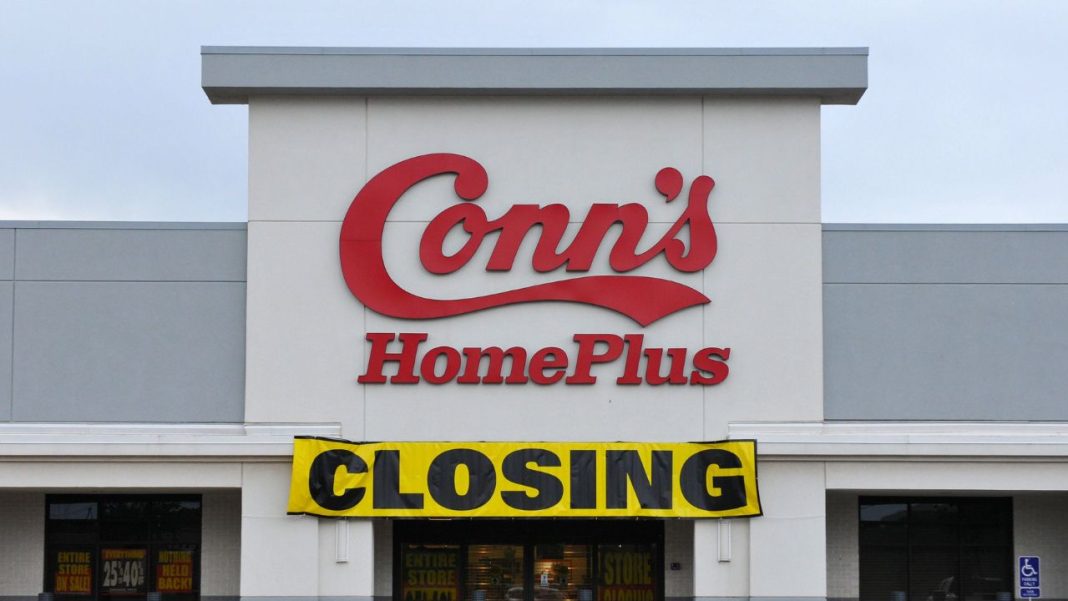

If you shopped for a refrigerator or TV in the South anytime in the last couple decades, you probably recognize Conn’s HomePlus. The stores were big on furniture, appliances, electronics, and easy credit. For a long time, that combo worked—especially in spots where big-box chains weren’t always so close by. Conn’s had a loyal following in Texas, Louisiana, and a bunch of other states.
But that old formula just didn’t hold up forever. Over the past couple of years, things got rocky. By 2024, the question wasn’t if Conn’s would make a comeback, but instead: was Conn’s going out of business for good?
Here’s how it happened—and what it means if you were a Conn’s customer, employee, or just keeping an eye on the retail business.
It Started with Big Plans and Tough Realities (2023-2024)
The first warning sign: in December 2023, Conn’s announced it was merging with W.S. Badcock, another furniture and appliance chain based in Florida. Companies often hope that mergers will give them new markets and lower costs, but pulling it off isn’t so easy.
Combining two chains brought a mess of headaches. Stores overlapped. The new, bigger company faced rising costs—including interest payments that more than tripled since 2020, jumping from about $26 million to almost $82 million just for 2023. Sales didn’t go the way they hoped, either. Revenue dropped nearly 8%, landing at $1.2 billion. By the end of the year, Conn’s reported a painful net loss of over $76 million.
The broader economic situation didn’t help. People were dealing with inflation and higher prices for necessities. If you’re a working family facing big grocery bills, you probably don’t rush out to buy a new couch or washer unless you absolutely have to. This made things worse for Conn’s, which relied heavily on “needs-based” shoppers using credit.
Trying to fix things, Conn’s started closing underperforming stores—36 of them out of 374, hoping to plug leaks in the budget. For employees and towns that lost stores, these were tough cuts. But the savings weren’t enough.
The Bankruptcy Filing: How Conn’s Hit the End (July 2024)
In July 2024, Conn’s officially filed for Chapter 11 bankruptcy. If you know retail, you might know this is supposed to help a company reorganize. But in reality, most Chapter 11 cases now end in liquidation—that’s the complete shutdown and sale of the business.
Conn’s said it had between $1 and $10 billion in both assets and debts, with tens of thousands of creditors. Some big names—electronics and appliance makers like Samsung, LG, and GE—were owed a piece.
The company was forced to quit the NASDAQ stock exchange, and around 3,800 full-time employees were suddenly facing layoffs or an uncertain future. Plans were announced right away to close between 70 and 105 stores, starting in Florida and Texas where the damage was heaviest.
Liquidation: Going-Out-of-Business for Good (July-October 2024)
Once the court gave the green light, it was time to start winding down operations for real. A financial firm called B. Riley took over the process of managing going-out-of-business sales. Signs went up at every Conn’s and Badcock location, as well as online: big markdowns, “Everything Must Go,” prices slashed by 30 to 50 percent.
This wasn’t just a few stores in trouble. By October 31, 2024, Conn’s aimed to have all stores emptied and closed out. They stopped renewing leases on locations that just weren’t profitable, saving money but also hurriedly shutting down every remaining store.
Some shoppers picked up steep discounts if they were willing to shop a liquidation sale. For most employees, it meant the end of the line. Stores got quieter. Shelves emptied.
Final Steps: Selling Off What Was Left (December 2024-July 2025)
By December 2024, almost every last display model was sold off. What was left—customer accounts, remaining receivables, and some office equipment—went to a company called Jefferson Capital Systems. This deal, wrapped up on December 3, marked a true closing chapter: there wasn’t anything left to try and save.
By July 2025, the bankruptcy court rubber-stamped Conn’s third amended joint plan. This basically means the courts agreed that everything valuable had been sold, proceeds would be divided up between lenders and other creditors, and Conn’s as a company (including Badcock) would be dissolved. Not dormant. Gone.
So if you’re wondering, “Is Conn’s going out of business in 2024?”—the short answer is yes, it’s already over. There’s no hint of a comeback.
What Went Wrong? Why Conn’s Couldn’t Survive
The money trouble at Conn’s wasn’t about one bad decision. It was a mix of choices that didn’t pan out and stuff nobody could control.
Cash flow issues were a major drag. The company borrowed a lot to fund expansion and keep all those stores open. But when sales slowed down, there just wasn’t enough cash coming in to cover bills. High-interest costs—jumping from about $26 million in 2020 to over $80 million by 2023—ate up profits fast.
Their core customers—families with limited savings, using store financing to buy fridges and couches—started to stretch out purchases. Inflation meant more people put off “big box” buys, waiting for better deals or just making do.
It didn’t help that some locations were expensive to keep open. Conn’s paid around $35 million a year on leases for stores that weren’t paying for themselves. They tried closing stores, but the bleeding didn’t stop.
On top of that, several plans to reorganize the business flopped before they could start. The early hope was for a quick sale to an outside investor—maybe even a partial store rescue. But that fizzled out, and after that, no serious buyer stepped forward. Liquidation became the only real option.
Retail Shockwaves: Conn’s Isn’t the Only One
If all this sounds familiar, you’re not alone. A lot of big retail chains selling home goods or electronics have been struggling since the pandemic boom faded.
Take Bed Bath & Beyond. Once everywhere, it collapsed under similar pressures: declining foot traffic, supply chain woes, and customers finding better deals elsewhere or just spending less. Z Gallerie, Loves Furniture, and Art Van met similar fates. Big spaces, big dreams, and not enough people shopping for sofas and TVs when the economy gets rocky.
For a while, Conn’s looked relatively safe. It operated in places where national chains sometimes skipped, focusing on what they called “underserved” communities. Their in-house financing was key—letting folks with imperfect credit still get what they needed. But as interest rates rose and inflation bit deeper, even those methods couldn’t keep people walking in the door.
When credit dries up, and with tighter budgets all around, even loyal customers started to pass up Conn’s for cheaper or online deals.
What’s Next for Employees, Shoppers, and Others?
A closure like this doesn’t just hurt a company name—it’s rough on the people who worked there. Almost 4,000 full-timers had to look for work, while others scrambled to cash in earned vacation or get a final paycheck.
Shoppers suddenly saw their local store just…vanish. If you’d put something on layaway, or financed a washing machine with Conn’s credit, you had to watch for updates from the bankruptcy court. In cases like this, sometimes account servicing moves to a third-party lender. Warranties and extended service contracts might get transferred or canceled, too, depending on what assets are left.
Suppliers—everyone from appliance makers to trucking firms—sat in long lines of creditors, hoping to get some money back from post-liquidation scraps. It’s never much, and it often takes a year or more to get any payout.
For towns and strip malls that depended on Conn’s as an anchor tenant, empty storefronts become a challenge. Lower traffic can hurt neighboring businesses, especially in small towns or rural markets where Conn’s was sometimes the only “big” retailer for miles.
Lessons from Conn’s Collapse: Why Did It Happen?
If you’re an entrepreneur or store owner yourself, it’s easy to see the warning signs. Expanding too quickly, loading up on debt, and waiting for a consumer buying spree that never comes—none of these are recipes for long-term success.
Trying to merge two struggling companies doesn’t always solve the problems. In Conn’s case, their merger with Badcock led to early optimism, but merging two sets of problems often just creates new issues. Integration costs, technology hiccups, and staff reductions followed quickly.
It helps to watch the broader industry. Before Conn’s filed, firms like RapidRatings already rated its financial health “high risk,” only 28 out of 100. Lenders and investors were walking away, not lining up to help. When that happens, selling the company or bringing in new cash is nearly impossible.
Retailers, especially in home goods and electronics, need a very clear plan for what they’ll do if customers get more cautious. Businesses must stay nimble—able to shrink their footprint, tighten inventory, and keep leases short or flexible wherever possible.
If you want more details on retail business risks and news, check out this site for regular updates: aroundbusiness.co.uk.
Final Thoughts: Conn’s Is Gone—But Not Forgotten
Conn’s HomePlus didn’t fizzle out overnight. Instead, years of mounting costs, shifting shopper habits, and tough economic spells wore it down.
The last stores closed in late 2024. The company’s assets were sold to a third party, with the court officially confirming the dissolution plan the following summer. There’s no sign Conn’s will reopen under a new name, nor any “rebirth” in sight.
People who visited for holiday deals, needed quick appliance loans, or just liked to browse the living room section will have to look elsewhere. In the changing world of retail, nothing’s ever guaranteed—and the fall of Conn’s is proof that even long-time favorites aren’t immune to tough times.
Also Read