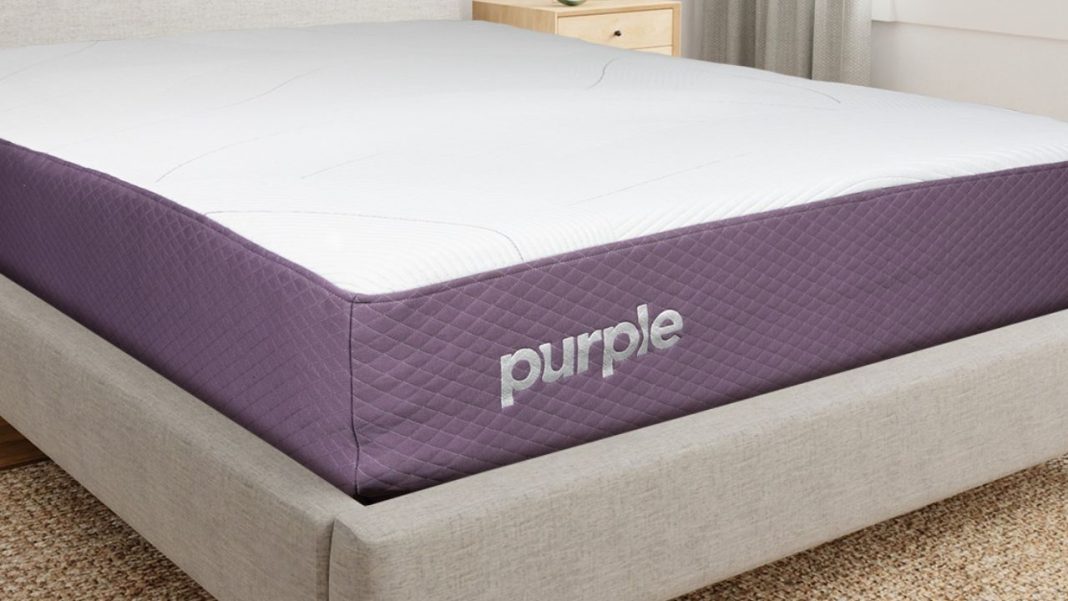

If you’ve shopped for a new mattress in the last few years, chances are you’ve seen the Purple Mattress somewhere—online or at a big mattress retailer. The company behind it, Purple Innovation, Inc. (NASDAQ: PRPL), has gotten attention for mattresses made with something called the “GelFlex Grid.” But with the mattress market shifting and some news about lower sales, a lot of folks are asking: is Purple Mattress going out of business?
Let’s make this totally clear up front: No, as of late 2025, Purple is not going out of business. The company is, in fact, rolling out new partnerships and chasing revenue growth, all while tweaking its strategy to get through today’s challenges. Here’s a closer look at what’s actually going on at Purple.
A Quick Snapshot of Purple Mattress
Purple Innovation, based in Utah, isn’t one of those old-school bed-in-a-box companies that faded after a viral launch. They were early to online mattresses and built a pretty loyal following with their signature squishy, grid-patterned material. Purple went public in 2018, and while they’ve seen some tough quarters, they’re still an active player—both online and in thousands of retail stores.
The business has had some wild swings in demand, especially as consumer shopping habits changed after the pandemic. These ups and downs are part of what’s fueling questions about Purple’s future. But the headlines don’t always match the reality on the ground.
Expansion Is Still Happening—And It’s Big
One of the strongest signs a company isn’t shutting down is when it announces—and actually starts—a major retail expansion. That’s exactly what Purple did in May 2025. The company inked a deal with Somnigroup International, which you may know as the parent company of Mattress Firm, the biggest mattress retailer in the U.S.
This agreement is significant. Before the deal, Purple had around 5,000 branded display slots inside retail stores (think those big sections with a bunch of their products lined up). Now, the Somnigroup partnership means they’re adding at least 7,000 more slots—more than doubling their retail footprint.
By November 2025, Purple had placed their products in about 9,200 slots, getting even closer to the 12,000 target they set for 2026. We’re not talking just one mattress either. These displays include popular flagship models like the Purple Mattress and Purple Plus, plus premium options.
Somnigroup handles assembly for some lines, but Purple keeps the rights to its signature GelFlex Grid (that’s their secret sauce). This retail push is expected to generate at least $70 million in extra revenue a year starting in 2026. So even though Purple’s growth hasn’t been steady every single quarter, this sort of rollout is the opposite of a shutdown move.
Financial Moves: Keeping Cash Flowing and the Lights On
Of course, expansion doesn’t come cheap, especially when sales aren’t always moving up. In May 2025, Purple said it secured $20 million in new debt financing. This brings total access from lenders to $100 million—a pretty big safety net for things like product development and advertising.
One catch with the financing is that it came with “equity warrants”—basically, investors can buy PRPL shares later at a fixed price ($1.50/share in this case). It’s a common way to sweeten the deal for lenders and, for Purple, means more funding to work with if needed. But this doesn’t scream distress. Instead, it’s what companies do when they’re looking to make investments pay off down the line.
How Has Purple Been Performing Lately?
So, how is Purple actually doing financially? There’s no way around it: the company has had some down quarters. For example, in the first quarter of 2025, net revenue was $104.2 million—a 13.2% drop from the same period in 2024. The company still wasn’t profitable, but its adjusted EBITDA loss (which is basically profit before taxes, interest, and a few other things) shrank to $4.7 million. That’s better than it was the year before.
Gross margins actually improved, climbing to 39.4%, thanks to aggressive cost-cutting. By the third quarter of 2025, net revenue nudged up to $118.8 million, showing a bit of stabilization. For the full year, Purple projected revenues between $465 million and $485 million and said it was aiming to break even or get up to $10 million in positive adjusted EBITDA. The company also chopped operating expenses by more than 14% in just a few months.
If you zoom in on these numbers, you’ll see a story that’s a mix of struggle and progress. Losses were still there, but they were shrinking. And improvement in margins and cost controls is usually a sign of a team working to fix (not run from) their business.
Strategic Shifts: The “Path to Premium Sleep”
Purple’s management launched what they call their “Path to Premium Sleep” strategy in 2025. Basically, they’re focusing less on being just another mattress-in-a-box and more on building a brand as a maker of high-quality, innovative sleep products. That means cutting unnecessary spending, pulling out of less profitable channels, and simplifying manufacturing.
The company even consolidated factories to make sure they’re running leaner. Leadership has been upfront about reviewing “strategic alternatives,” which sounds ominous, but in regular business English, it usually just means they’re open to partnerships, asset sales, or even new investors—anything to boost returns.
CEO Rob DeMartini has talked a lot lately about stabilizing the company, anchoring it to its core products, and letting some of the flashier side ventures go. When companies start talks about bankruptcy, you usually see words like “restructuring advisor” and “Chapter 11.” At this point, you’re just seeing Purple acting like a company that wants to fix its business, not walk away from it.
How’s Purple Doing on Wall Street?
You might expect Purple’s stock to be tanking if investors thought the company was done for. PRPL shares are down from their highs and were trading at $0.77 as of January 14, 2026. That’s low, but it doesn’t mean there’s no interest.
In fact, recent options activity is up, meaning traders are betting on where Purple’s stock will go next. When companies initiate bankruptcy, stock trading often gets suspended or moves to the “pink sheets” (an over-the-counter distress market). PRPL shares are still on the NASDAQ, and the volume is not dropping off a cliff.
The broader category—what analysts call “digitally-native vertical brands”—is out of favor. Mattress buying has slowed industry-wide, and Purple is in a turnaround mode. But nothing in recent news points to financial collapse, layoffs, or imminent closure.
If you follow news from business outlets or sites like Around Business, you’ll notice the shift in narrative has been about stabilization and wholesale growth since the Somnigroup deal. There is some “what’s next” curiosity, but not panic.
The Bumps in the Road: Where Is Purple Still Struggling?
It wouldn’t be fair to say Purple’s out of the woods. The company has faced lower e-commerce sales, fewer people shopping in stores for big-ticket items, and rising costs for everything from logistics to raw materials. In Q1 2025, net losses were $19.1 million, though that was way better than the $50.2 million loss the year before. Improvement, yes—but they are still burning cash.
To keep demand healthy, Purple’s betting heavy that the expanded retail presence (especially in Mattress Firm) will offset weak online sales. The wholesale piece of the business is expected to deliver the bulk of growth for the foreseeable future. If consumers keep holding off on big purchases or if mattresses become more of a commodity product, it could slow Purple’s recovery.
Purple’s management isn’t sugarcoating these risks. They’re honest about some tough quarters ahead, and the earnings calls reflect that. But the steps being taken—debt restructuring, factory consolidation, product launches, and the big retail partnership—all signal an intent to keep operating, not wind down.
So, What’s the Outlook For Purple?
There’s a lot of chatter out there, much of it driven by social media, message boards, and worry over the mattress market in general. Some customers see a store closure or thinner selection and think it’s a warning sign. But if you look at Purple’s recent news, you find a company fighting to get leaner, stabilize its sales, and grow through new partnerships.
None of the usual smoke signals of a business about to close—bankruptcy filings, shutdown rumors, or quiet quitting from leadership—are showing up at Purple. Their expansion plans, financing moves, and factory revamps are all about sticking around for the next phase, not packing up.
The Bottom Line: Still Dressed for Work, Not for a Funeral
As we turn the page to 2026, Purple is balancing honest setbacks with some solid attempts to get its house in order. If you’re shopping for a mattress, or you’re just curious about whether the brand will survive, rest easy for now. Purple Innovation, Inc. has challenges ahead, but the signs point to ongoing operations and a management team that’s pushing for a turnaround, not a wind down.
They’ve still got their “digitally native” reputation, some new stores, and enough financing to keep innovating with their distinctive GelFlex mattresses. Not every retailer will make it through this era, but for now, Purple looks like it’s staying in the game.
Also Read