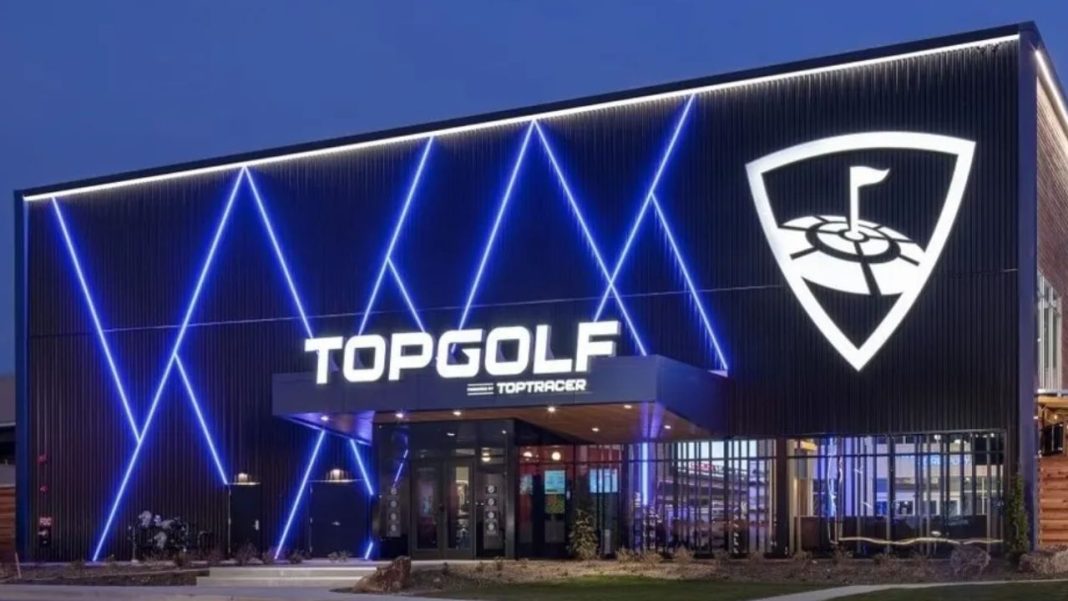

So, you may have heard talk floating around that Topgolf is “on the way out.” Maybe you saw rumors about bankruptcy or job cuts, or that Topgolf’s parent company lost interest. These kinds of stories can pick up steam online, especially when big businesses make any changes at all. But if you’re actually curious about what’s up — let’s break it down.
Right now, Topgolf isn’t going out of business. In fact, recent moves put the company in a stronger spot than it’s been in a long time. The picture gets clearer once you look past headlines and check the numbers, leadership changes, and use some good old common sense about how the business model works.
The Big Transaction: Topgolf Sells a 60% Stake
In early 2026, Topgolf’s parent company, Topgolf Callaway Brands (yes, the golf clubs folks), decided to sell a 60% stake in Topgolf to a private equity group called Leonard Green & Partners. That 60% chunk went for a tidy $1.1 billion, leaving Callaway with a 40% stake.
Here’s why that matters. Callaway got $800 million in net cash from the transaction, which they immediately used to pay off around $1 billion in debt. Part of the proceeds also funded a $200 million stock buyback program. That’s not what a struggling business usually does. These are moves you make when you want to focus, clean up your balance sheet, and signal confidence to investors.
After the deal closed, Topgolf became a separate, standalone business — still working closely with Callaway thanks to a “strategic partnership.” This means shared marketing, branding, and some back-and-forth with executives. But Topgolf now has a new main owner, plenty of cash, and a real plan for what happens next.
Revenue Trends: Is Topgolf Still Growing?
Let’s look at the actual sales numbers. In the third quarter of 2025, Topgolf’s revenue hit $472 million, marking an increase of 4.2% over the same time the previous year. Not record-smashing, but solid growth. For the parent company as a whole, net quarterly revenue was up to $934 million. If you’re curious about different pieces, Callaway also sold off Jack Wolfskin (an outdoor apparel arm), so the numbers here focus just on the parts they decided to keep.
Because of how things were trending, Topgolf Callaway Brands raised its full-year 2025 revenue guidance to a new midpoint target of $3.92 billion. Profit (or, to use the financial lingo, “adjusted EBITDA”) was also forecast to grow, topping $500 million for the year.
A few highs and lows showed up, of course. In the second quarter of 2025, there was a blip as revenue slipped by about 4.1%, but earnings per share (aka “profits”) were actually better than expected for that period. That’s one reason you always want to check more than just raw revenue totals for any business.
Why Layoffs Happened — and What They Mean
Whenever a company talks about layoffs, people start to worry. In 2025, Topgolf did let go of about 300 workers. The biggest factor? Tariffs. The company said tariff costs added $40 million in expenses for 2025, and those costs might double in 2026 if new trade policies stay in place.
CEO Chip Brewer spoke up about this, saying the layoffs were a direct response to higher costs at the time. He also noted that, after making those tough staffing decisions, the remaining team would not see more reductions. Instead, the company looked at other ways to keep expenses under control. That included squeezing out more operational efficiency, thinking smarter about pricing, and not just slashing jobs whenever costs popped up.
It’s never a good week when you’re part of corporate layoffs. But using layoffs to counter rising tariff expenses isn’t a red flag for financial collapse. It’s pretty standard for big companies under short-term cost pressure.
How the New Ownership Changes the Game
With Leonard Green & Partners taking the reins, Topgolf’s leadership gets a fresh perspective. Private equity groups like Leonard Green usually aim to help companies grow faster, improve profitability, and add some operational discipline. They don’t typically buy controlling stakes if they think the business is doomed.
Callaway, by keeping a big 40% stake, obviously still believes Topgolf will do well. The partnership also ensures that brand and marketing expertise from Callaway still flows into the Topgolf venues. That means when you see a Topgolf ad, play a game, or check out their golf gear, there’s still a blended approach.
The deal left Topgolf with $680 million cash on hand and about $480 million in debt right after the sale went through. That’s a solid position for handling growth, hiccups, or whatever comes next.
Challenges: Margins, Mixed Earnings, and Share Price
Even companies with solid sales growth can run into challenges, and Topgolf’s unique venue-based model isn’t immune. One of the biggest current problems? Margin pressure.
During 2025, Topgolf offered more discounts and promotions than before, which ate into profit margins. The cost of getting people in the door, especially on weekdays or out-of-peak hours, sometimes meant lower revenue per guest. This isn’t unique to Topgolf — restaurants, airlines, you name it, everyone juggles discounts with profitability — but it stands out because building and running a Topgolf venue isn’t cheap.
Looking at analyst reports, there’s also some skepticism about the current valuation. One analyst placed a “fair value” estimate at $12.50 per share for the parent company, even though shares were trading up around $14.15 recently. In other words: some think the market might be a little too optimistic about short-term returns.
If you dig into profit numbers, there are still some soft patches. Analyst forecasts for earnings per share in 2026 are actually negative — for example, a Q3 forecast came in at -$0.26. That doesn’t mean the business is failing, just that growth investments, debt repayment, or pricing pressure are creating some lean periods.
How Topgolf Fits Into the Market Right Now
Topgolf remains a unique slice of the sports and entertainment world. It bridges new, non-traditional golfers with the social “let’s go out and do something active” crowd. That means it faces competition not just from other golf ranges but also from bowling alleys, retro arcades, and even new immersive sports concepts popping up in big cities.
By separating from Callaway as its own company, Topgolf can be nimble. They can try new formats, partner with local brands, tweak food and beverage menus, or roll out high-tech features faster. Private equity owners also tend to push for clear metrics and rapid expansion, so expect to see new venues and maybe more value-focused offerings as well.
On the analyst side, there’s a healthy mix of both optimism around the company’s broad appeal and caution about how quickly it can reach long-term profitability. Margins will stay important to watch. So will how guests spend per visit, especially if the economy hits a bumpy stretch.
For anyone following the business side of entertainment, these shakeups aren’t that out of the ordinary. Deals like the one between Topgolf and Leonard Green happen constantly when businesses want to unlock cash for new growth, rather than signal trouble. If you keep an eye on other “interactive leisure” companies, you can see similar patterns — and pretty good outcomes for brands who find the right owner and improve operations. If you want updates on pop business trends, you can find more stories like this on Around Business.
A Quick Look Forward: What’s Next for Topgolf?
Here’s the honest answer: Topgolf is not going out of business. With new ownership, plenty of access to capital, and a clear blueprint for making each venue profitable, it’s more stable today than a lot of folks on social media would have you believe.
Yes, the company has recent challenges to solve — margins, tariff impacts, earnings per share — but the groundwork for growth has been laid out. Topgolf’s management clearly laid out its timeline for staffing, costs, and expansion plans. The new board will have every incentive to lean into what’s working and change what isn’t, not just cut their losses.
If you want a quick summary for your group chat: Topgolf sold most of itself for a pile of cash, paid off debt, and plans to keep growing under a new owner with the original parent still on board. There’s no evidence of a shutdown, bankruptcy, or total collapse brewing.
Given the financials, strategic changes, and honest talk from the executive team, it’s fair to say Topgolf is aiming for a more sustainable, efficient, and focused stretch ahead. The coming year will probably have some bumps — but unless something wild happens, the rumors about Topgolf’s demise are just that: rumors. For now, the venues are open, the business model is holding up, and there’s a decent shot you’ll be seeing more Topgolf locations, not fewer, in the next few years.
Also Read: