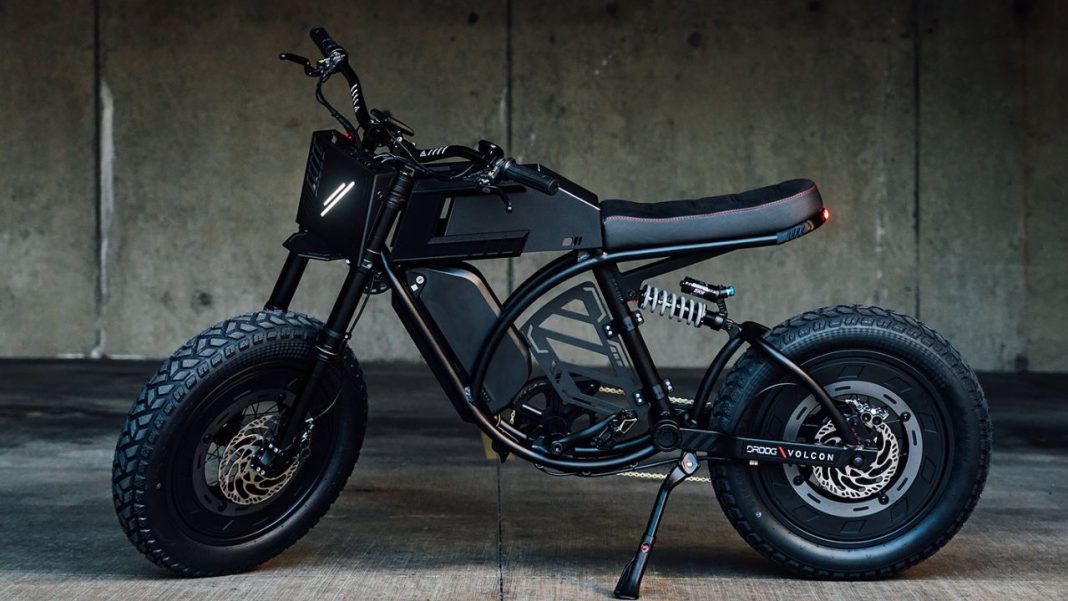

If you’re following electric vehicles, you’ve probably heard of Volcon ePowersports. They make electric bikes, utility terrain vehicles (UTVs), and now, even golf carts. Lately, though, there’s a lot of chatter in online forums and among investors asking, “Is Volcon going out of business?”
Let’s get into what’s really going on with Volcon ePowersports. Spoiler: the company isn’t shutting down. They’re actually reshaping what they do and how they do it, with some moves that might surprise you.
New Leadership, New Vision
Late last year, Volcon brought in a new CEO, John Kim. Before Kim, the company poured a lot of money into research and development (R&D) to design and build vehicles on their own turf. That path is expensive and risky—especially for a small company that doesn’t have Tesla-level resources.
So Kim switched gears. Instead of burning cash designing everything from scratch, Volcon started partnering with established manufacturers in Asia. That way, they could get quality electric vehicles without the steep overhead of major in-house R&D.
It’s kind of like focusing less on building your own restaurant from the ground up and more on working with a chef who already knows how to cook what you want to serve.
Big Partnerships: Why Volcon Is Importing From Vietnam
One of Volcon’s most important moves was striking a deal with Vietnamese manufacturer AODES, also known as Super Sonic. That means Volcon now imports electric UTVs and golf carts directly from factories overseas.
Why is this a big deal? Because tariffs (import taxes) on vehicles from China can be sky high—sometimes around 25%. But when you import from Vietnam, tariffs drop to around 2.5%. This makes Volcon’s products a lot more affordable for buyers and more profitable for the company.
By skipping the big China tariffs, Volcon can fill up their inventory with vehicles that stand a fighting chance against competitors on price. They’re betting that this global approach is what can keep them in the game.
Money Talks: Capital Raise and Financial Health
Every time a small company changes strategy, cash is a concern. With less in-house R&D, there’s more money free for other things. But Volcon also went out and raised a hefty $19.45 million. That’s not chump change for a company their size.
The company says they’re using this fresh cash to buy more vehicles, expand the sales team, and fund day-to-day operations all the way through 2026. CFO Greg Endo said the goal is monthly positive cash flow by late 2025. To get there, Volcon is cutting back on hiring, trimming costs, and moving lots of their marketing out-of-house to keep expenses in check.
You can see why some people are watching closely. Cash burn is what can suddenly take out smaller electric vehicle startups, and Volcon’s team knows it.
Stock Moves and Insider Confidence
Most public companies keep an eye on what insiders (think: big bosses and board members) do with their own stocks. If insiders are dumping shares, it’s often a red flag. But the past six months have told a different story at Volcon.
There have been 15 insider stock trades lately. Fourteen of them were buys, and only one was a sale. That’s a pretty strong signal of faith from people who know the company best. Sure, it doesn’t guarantee everything goes perfectly, but insiders usually avoid buying if they’re on a sinking ship.
Some investors watch insider moves more than earnings reports. In this case, the picture suggests the top figures believe Volcon’s turnaround plan is worth backing with their own money.
Financial Results: Still a Rocky Road
Here’s where things get real. The most recent numbers from Volcon show that revenue for the first quarter of 2025 was just $0.7 million. Net loss hit $2.46 million. Those aren’t numbers you’d brag about at a party.
Then again, a lot of smaller electric vehicle companies are taking bigger hits. Volcon’s market cap—basically what all the company’s shares are worth, added together—was recently sitting around $5.38 million. It’s a tiny slice of the auto industry. But Volcon isn’t out to be the next General Motors; they’re chasing a niche with electric off-road powersports.
That’s an approach that can sometimes work—if they keep their finances tight and their products exciting.
Plans for Profitable Growth
The new leadership isn’t shy about their goal: Volcon wants to be cash flow positive by the fourth quarter of 2025. Basically, they want to make more money each month than they spend, without just burning through capital reserves.
To get there, the team is doing more than just outsourcing marketing and cutting people. They’re focusing heavily on inventory management, selling the right amount of vehicles, and making sure every sale counts.
That kind of focus can matter more than you’d think. If you let inventory pile up or chase the wrong trends, it drags down your bottom line—and your credibility with investors.
How Volcon Is Positioning Its Product Line
You might think Volcon would ditch its early products to chase something trendier. Turns out, they’re doubling down on electric two-wheelers (like the Grunt and Grunt EVO) and expanding into UTVs and golf carts.
It’s a “stick to what you know” play, but with a twist. Two-wheeled electric vehicles, off-road machines, and utility carts aren’t as crowded as standard e-bikes. Volcon hopes that a focus on specialty and utility vehicles gives them room to build a loyal following, especially among farmers, ranchers, and outdoor enthusiasts.
They aren’t ignoring the broader EV market—but they are trying to carve out a slice they can realistically defend. So don’t expect to see a Volcon family sedan anytime soon.
Spotted: No Signs of Bankruptcy or Liquidation
Often, the biggest question people ask about struggling companies is whether they’re going broke. For Volcon, there’s no evidence of bankruptcy filings, liquidation announcements, or any plans to shut down.
In fact, searching public records and news shows the opposite. The company is still issuing press releases, taking new preorders, and updating investors on their outlook—all normal things for a business pressing forward.
If you’re just hearing rumors of closure or insolvency, there’s nothing substantive to back it up right now.
What’s Next for Volcon?
The road ahead isn’t guaranteed to be easy. Volcon is sitting in a crowded field where margins are razor-thin and technology keeps shifting. They’ll have to keep trimming costs, manage inventory smartly, and convince customers they’re worth a look—especially as big auto and powersports brands keep dipping into EVs too.
But, with a new CEO, a global manufacturing strategy, and fresh capital, they have more leeway than a lot of other startups at this stage. Plus, insider buys generally don’t happen if the people steering the ship think it’s heading straight for the rocks.
For investors and fans tracking niche electric vehicle companies, Volcon is one to watch—not for explosive growth, but for survival and adaptation. If you’re curious about broader trends with small-cap EVs or how other companies have managed pivots like this, sites like aroundbusiness.co.uk offer deeper dives on the mechanics of business turnarounds.
The Real Story: Not Closing, But Changing
So, is Volcon going out of business? All signs point to no. They’re not fleeing the electric vehicle world—they’re trying to find a smarter, less risky way to stay involved. Instead of building every single part in-house, they’re leaning on strong partnerships and more efficient supply chains.
Their financials aren’t rosy yet, but the company is making moves to get flat or positive by late 2025. There’s plenty of work left, but Volcon’s story is much more about adjustment and hustle than about closing up shop.
For now, if you see “Volcon going out of business” in the rumor mill, take it with a grain of salt. The truth is a lot more complicated, but it’s not nearly as grim—or dramatic—as some headlines might have you think.
Also Read