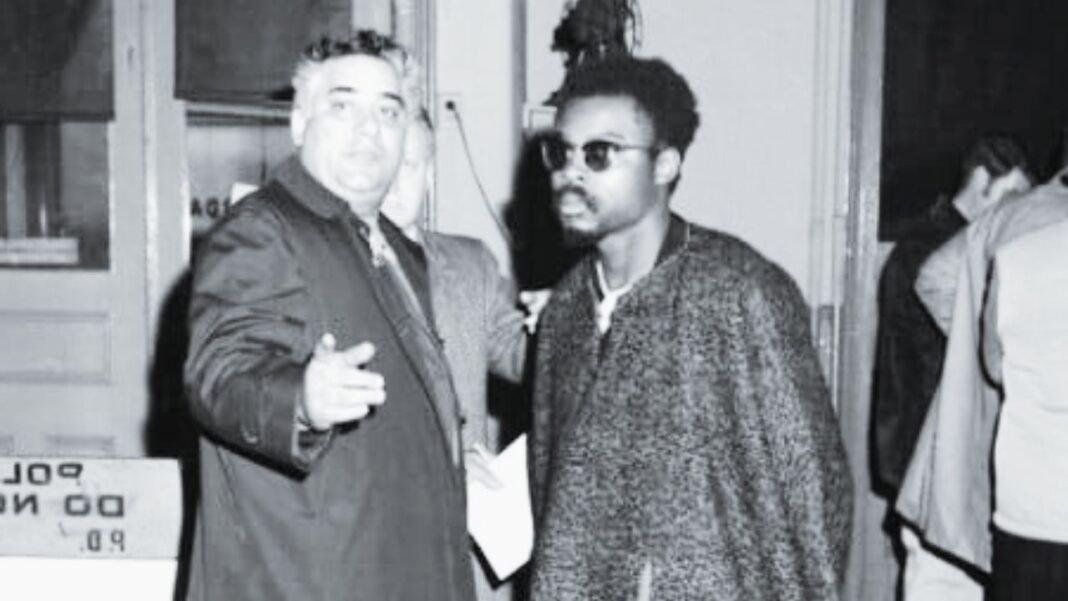

Have you ever heard of a revolutionary so impactful that his legacy still echoes today? Enter Lumumba Shakur, a towering figure in the civil rights movement and a leader who lit up the path toward justice and equality! From his birth in bustling Atlantic City to his time as a spearhead in the Black Panther Party, Lumumba’s journey is packed with drama, courage, and a relentless fight for freedom.
Names and Identity
Here’s an intriguing tidbit: Lumumba Shakur wasn’t always called Lumumba! He was born Anthony Coston. Quite the transformation, right? His embrace of the Shakur surname—the same one carried by cultural icons like Tupac Shakur—was more than a personal choice. It was a declaration of faith and identity. The name “Shakur” became theirs after Lumumba’s father joined the Nation of Islam, and just like that, a legacy was born. This name symbolizes gratitude and loyalty to a cause larger than oneself.
So, the next time you come across the name Shakur, you’re not just hearing a surname; you’re touching a piece of history.
Early Life and Family Background
Let’s rewind a bit to Atlantic City in the 1940s, where our trailblazer was born. Growing up in a family deeply ingrained in activism, Lumumba was bound for the extraordinary. With parents Hajj-Salahdeen and Mariyama Shakur at the helm, it’s no surprise that he and his siblings were destined to become warriors for justice.
His connection with his brothers, Zayd Malik and Mutulu Shakur, wasn’t merely by blood or adoption. It was a bond fortified by shared dreams and daunting struggles they faced in their quest for equality. The Shakur family was more than a family; they were a unit—fueled by a common vision and an unbreakable resolve.
Marriage to Afeni Shakur
Now, let’s step into an intriguing chapter: his marriage to the formidable Afeni Shakur. Together, they were revolutionaries in love and in arms. Afeni, born Alice Faye Williams, met Lumumba amidst the fiery backdrop of 1968. They were more than lovers; they were comrades ready to reshape the world.
You’ve probably noticed the connection to Tupac Amaru Shakur, the legendary rapper. Here’s the scoop: Lumumba was not Tupac’s biological father, but he filled the role of a parental figure, a leader whose influence would resonate through generations. This relationship is wrapped in nuance and complexity, underscoring the dynamism of their revolutionary lives.
Role in the Black Panther Party
Ready for a history lesson with a twist? Lumumba Shakur was not just any member of the Black Panther Party. He was a leader in Harlem, guiding the movement with unyielding dedication. Picture Harlem in the late 1960s—a hotbed of revolution and resistance! Lumumba’s leadership within the Black Panthers wasn’t just about radical speeches; it was about igniting fires of change and orchestrating the call for justice.
But the stakes were high! His involvement in the notorious “Panther 21” trial positioned him as a target for political persecution. This wasn’t just a trial; it was a battle between a heroic cause and an overwhelming adversary.
Arrest and Legal Challenges
Hold on tight, because the “Panther 21” case unfolds like an electrifying thriller! On a fateful day in April 1969, Lumumba and fellow Panthers, including Afeni, were arrested amidst accusations of plotting bomb attacks. The charges were heavy, the stakes monumental. But the courtroom became more than a place of judgment; it was a stage for Lumumba to showcase his commitment to change.
It brought stress upon his marriage; yet despite the setbacks, Lumumba’s spirit remained undeterred. He epitomized resilience in the face of adversity—a quality that would later become a defining part of his legacy.
Lumumba Shakur’s Death
Here’s where it gets both somber and mysterious. Lumumba Shakur’s story met a tragic and suspicious end in the mid-1980s in Louisiana. Found dead under circumstances that some believe to be questionable. Reports of his death were clouded with whispers of conspiracies and belief of possible foul play—was there something more insidious at play against this fearless leader?
He was laid to rest in Hammonton, New Jersey, yet the questions surrounding his death linger, casting a shadow across his legacy and fueling inquiries into the turbulent life he led.
Conclusion
Lumumba Shakur’s tale is not just one of battles lost and won, but of spirits unbroken and legacies eternal. His impact within the civil rights movement and the Black Panther Party burned brightly during the transformative years of radical change. He remains a beacon of revolutionary fervor, guiding us to remember his contributions and continue questioning the systems at play.
Feel inspired to explore further? You can dig deeper into the stories of the Black Panthers and the riveting lives they led. Discover more here! Dive into history and let the legacy of Lumumba Shakur remind you of the power of a single life stirring waves of unforgettable change.
Also Read: